Tucson Top Rated ADU Constructions What to Expect: Our Expert Picks
Creating Space: Learn About Our Comprehensive ADU Construction Services for Your Property
The possibilities offered by Accessory Dwelling Units (ADUs) is often overlooked by property owners. These structures can substantially increase the functionality of a property. Understanding the perks and development steps is crucial for making the most of this opportunity. With careful planning and skilled guidance, transforming dormant spaces into valuable living areas becomes possible. What unique advantages might an ADU present for your unique situation?
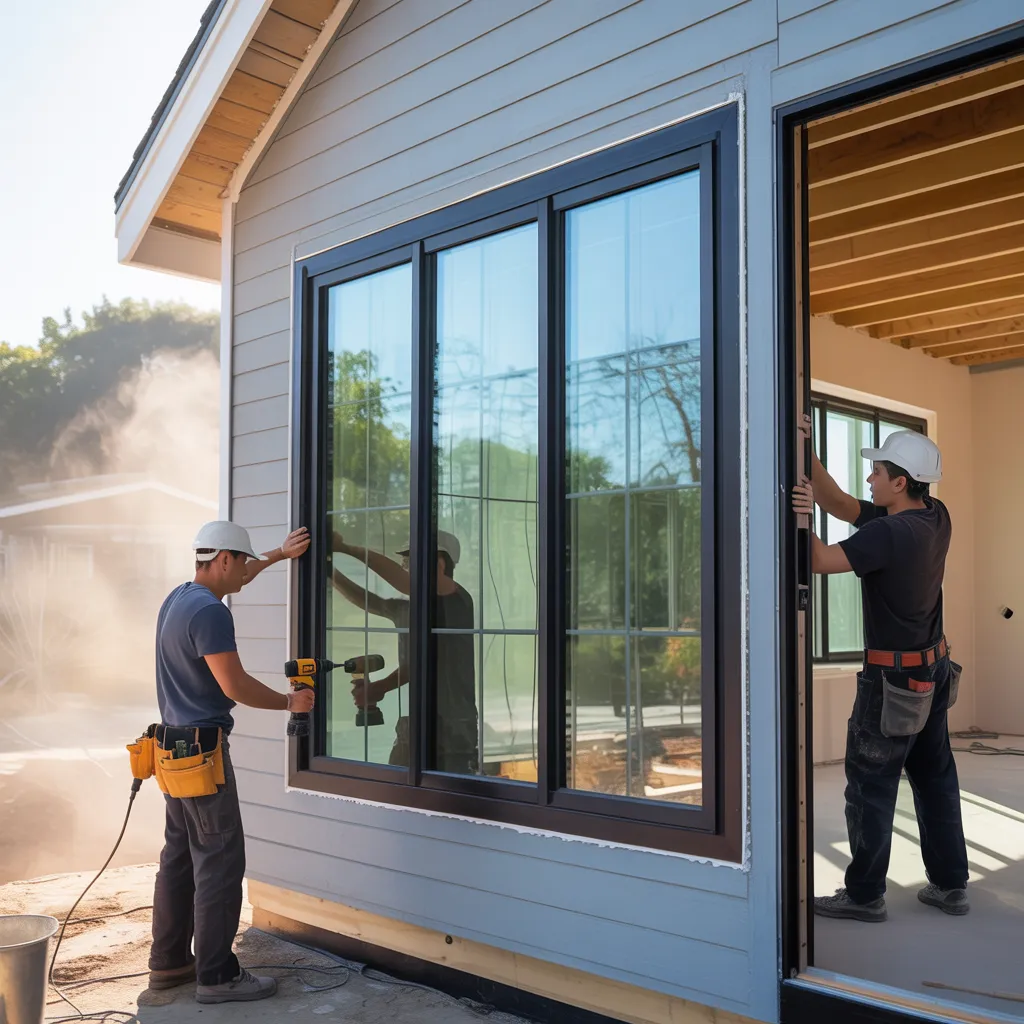
Grasping ADUs
What exactly are Accessory Dwelling Units (ADUs), and why are they gaining popularity? ADUs are additional housing units situated on the same property as a primary home. These structures can take multiple forms, such as converted garages, basement apartments, or newly constructed small homes. The draw of ADUs lies in their versatility; they can serve as guest accommodations, rental units, or living spaces for family members.
Since cities experience housing shortages and escalating property values, ADUs offer a practical solution for maximizing land use without necessitating extensive new developments. Moreover, many municipalities are easing zoning regulations, making it more straightforward for homeowners to secure permits for ADU construction. This shift in policy and expanding acceptance of multifamily living arrangements result in the rising interest in ADUs, as they allow property owners to expand their living space while potentially generating supplementary income.
Benefits of Incorporating an ADU to Your Real Estate
Adding an Accessory Dwelling Unit (ADU) to a property offers multiple benefits for homeowners. One significant benefit is the potential for boosted rental income. Homeowners can rent out the ADU to tenants, generating a steady cash flow and assisting to offset mortgage payments. Moreover, an ADU can boost property value, making it a wise investment for future resale.
Moreover, ADUs provide flexible living solutions, accommodating multigenerational families or guests without compromising privacy. They can meet various purposes, from a home office to a guest suite, conforming to varying needs over time.
Ecological benefits likewise occur, as ADUs encourage optimal land use and minimize urban comprehensive article sprawl. Many municipalities promote ADU development, providing incentives and streamlined permitting processes. This can result in a more sustainable community while resolving housing shortages. In summary, the addition of an ADU not only enriches a homeowner's property but also adds value to the surrounding neighborhood.
Our Company's ADU Design & Planning Process
Developing an Accessory Dwelling Unit (ADU) begins with a meticulous design and planning process that emphasizes the homeowner's vision and local regulations. First, a detailed consultation takes place, permitting the design team to comprehend the homeowner's needs, preferences, and intended use for the ADU. This collaborative effort guarantees that the design aligns with the homeowner's lifestyle and aesthetic aspirations.
Subsequently, the team carries out an extensive site evaluation, analyzing zoning regulations, building codes, and environmental factors that may influence the project. Leveraging this information, the design team develops initial plans, incorporating green practices and maximizing space utilization.
All through the process, several design iterations are provided to the homeowner for comments, ensuring that the final blueprint captures their preferences while complying with regulatory requirements. This detailed planning phase lays a solid foundation for a successful ADU construction project, ultimately increasing the property's overall value.
Building Solutions Available for ADUs
Construction services available for Accessory Dwelling Units (ADUs) cover a spectrum of important offerings. These include design and planning solutions, construction services and project management, along with permit processing and compliance guidance. All of these components perform an essential role in ensuring a thriving ADU project from inception to completion.
Planning and Design Solutions
Transforming a vision into reality necessitates thorough design and planning services for accessory dwelling units (ADUs). These services involve a comprehensive analysis of the property, understanding local zoning requirements, and creating a harmonious design that complements the existing structures. Experienced professionals work with property owners to develop floor plans that maximize space efficiency while ensuring functionality and aesthetic appeal. Sustainable design principles are often implemented to improve energy efficiency and reduce environmental impact. In addition, attention is given to selecting suitable materials and finishes that align with the homeowner's style and budget. Ultimately, effective design and planning create the foundation for successful ADU projects, ensuring that each unit is customized to meet the unique needs and aspirations of its occupants.
Construction and Project Management
Although the development and planning stages lay the groundwork for accessory dwelling units (ADUs), effective construction and project management are essential for bringing these plans to life. This phase guarantees that all aspects of the project are executed smoothly, from managing tradespeople to managing timelines and budgets. Professional project managers direct the construction process, guaranteeing adherence to the established plans and addressing any obstacles that arise. They enable communication between stakeholders, delivering regular updates to property owners and ensuring that all work meets quality standards. By engaging experienced construction teams, the project can advance smoothly, minimizing delays and optimizing the value of the completed ADU. Finally, robust project management assures that the vision for the ADU is realized efficiently and effectively.
Permitting and Compliance Assistance
Navigating the complexities of permitting and compliance is essential for the successful construction of accessory dwelling units (ADUs). This process often involves working through local zoning laws, building codes, and environmental regulations. Experienced ADU construction services provide invaluable assistance by ensuring that all necessary permits are obtained and that the project adheres to municipal requirements. They conduct comprehensive assessments of property specifications to identify potential compliance issues early in the project. Additionally, these services facilitate communication with local authorities, streamlining approvals and minimizing delays. By prioritizing permitting and compliance, property owners can focus on the design and functionality of their ADUs, ultimately securing a smoother construction experience and maximizing the potential of their property.
Financial Solutions for Your ADU Build
How can homeowners effectively finance their Accessory Dwelling Unit (ADU) projects? Several financial solutions are available to support covering the costs linked to ADU construction. Homeowners can explore conventional mortgages, which enable them to leverage their current home equity. This solution generally features lower interest rates when measured against personal loans.
Additionally, some lenders present specialized ADU loans created specifically for these projects. Home equity lines of credit (HELOCs) are another feasible option, supplying flexibility in accessing funds as needed.
State and local initiatives may also provide grants or low-interest loans aimed at encouraging the building of ADUs, specifically for budget-friendly housing.
Lastly, homeowners may explore collaboration with investors to fund their ADU projects. By learning about these possibilities, homeowners can make knowledgeable financial decisions that match their plans for creating additional living space.
Real-Life Success Stories: ADU Conversions
Genuine success stories of ADU transformations showcase the exceptional potential of these structures. From impressive before-and-after examples to varied design options, homeowners have successfully enhanced their properties while maximizing value. These transformations emphasize the versatility and practicality of ADUs in current housing landscape.
Uplifting Before-and-After Showcases
What impressive modifications can result from ADU renovations? Many real-life success stories highlight the profound impact of accessory dwelling units. For instance, a dilapidated garage was redesigned into a cozy studio apartment, complete with modern amenities, boosting the property's value and rental income potential. Another example features a spacious backyard that was transformed into a stylish two-bedroom unit, providing essential living space for multi-generational families. These transformations not only elevate functionality but also promote sustainable living by maximizing existing property use. Homeowners have reported greater satisfaction with their living environments, enjoying the rewards of additional space while maintaining aesthetic appeal. Such inspiring before-and-after examples underscore the versatility and potential of ADUs in today's housing market.
Multiple ADU Design Options
While most homeowners may picture a standard design for their accessory dwelling units, the fact remains that diverse ADU design options can cater to a wide range of needs and aesthetics. From modern streamlined structures to warm cottage-style units, the possibilities are nearly endless. For instance, one homeowner redesigned a former garage into a modern studio apartment featuring expansive windows and open spaces, excellent for urban living. Another success story involved a charming backyard ADU designed with eco-friendly materials, providing a sustainable housing option for family members. These real-life transformations demonstrate how personalized design can enhance functionality while reflecting individual style. Ultimately, the diversity in ADU design not only satisfies practical requirements but also adds special character to properties.
Optimizing Real Estate Value Potential
Homeowners increasingly recognize that accessory dwelling units (ADUs) not only enhance living space but also significantly increase property value. In various neighborhoods, homeowners have changed underutilized areas into remarkable ADUs, producing significant financial returns. For example, a couple in California created a modern ADU to their property, which produced a 30% increase in overall value when they sold. Likewise, a family in Oregon converted a garage into a welcoming rental unit, generating consistent passive income while boosting their home's market appeal. These success stories showcase the potential of ADUs to not only supply additional living space but also to work as a strategic investment, making properties more attractive to future buyers and renters alike.
Questions & Answers
What Are the Zoning Regulations for ADUS in My Area?
Zoning regulations for ADUs vary by location, usually dealing with considerations such as property size, setbacks, height limits, and occupancy. It is vital for property owners to check local zoning ordinances for specific requirements and restrictions.
How Much Time Does ADU Construction Usually Take?
The ADU construction process typically takes between 3-6 months, based on factors like design complexity, permitting requirements, and local regulations. Project delays could occur because of weather patterns, contractor availability, or unexpected site circumstances.
Is It Necessary to Have a Permit for My ADU Project?
Yes, permits are typically necessary for an ADU project. Municipal codes differ, so it's crucial for homeowners to consult with their local planning department to verify compliance with building codes and zoning regulations.
Is It Possible to Rent Out My ADU for Income Generation?
Renting out an ADU for income generation is possible, provided it complies with local zoning ordinances and requirements. It is necessary to check any regulations or conditions that may be relevant to rental properties in the area.
What Maintenance Is Needed for an ADU After Construction?
Typical ADU maintenance consists of evaluating plumbing and electrical systems, cleaning gutters, checking for pest infestations, keeping HVAC systems in good condition, and making sure exterior repairs are completed. Consistent maintenance protects property value and tenant satisfaction.